It’s December 2025, and the world feels like it’s moving faster than ever. New apps launch weekly. Travel trends shift overnight. Even the way people talk about leisure and connection has changed. If you’re wondering what’s new, you’re not alone. The headlines are loud, but the real changes? They’re quieter. They’re in the way someone books a weekend trip, or how a city’s nightlife evolves without fanfare. In London, for instance, the underground scene has quietly reshaped itself - and yes, if you’re looking for something specific, you might stumble across euro girls escort london listings that reflect a broader shift in how personal services are marketed online. But that’s just one thread in a much larger tapestry.
Travel is no longer about destinations - it’s about experiences
Last year, 68% of travelers under 35 said they’d rather spend money on a local cooking class than a five-star hotel. That’s not a fad. It’s a reset. Cities like Berlin, Lisbon, and even Melbourne are seeing a surge in micro-experiences: midnight street food tours in Barcelona, private pottery workshops in Kyoto, or midnight kayak trips under the Northern Lights in Finland. People don’t want to check off landmarks anymore. They want to feel like they belong, even if just for a night.
That’s why Airbnb is no longer just a booking platform. It’s a gateway to local guides. Hosts now offer custom itineraries - not just keys to a room. In London, you can book a three-hour walking tour led by a former West End dancer who shows you hidden jazz bars and the exact spot where a 1980s punk band recorded their first demo. No brochures. No group sizes over six. Just real stories.
Tech didn’t disappear - it got invisible
Remember when every new gadget had a flashy screen and a name you had to spell out? Now, tech works in the background. Your fridge knows when you’re out of milk. Your car adjusts the cabin temperature based on your heart rate. Your phone doesn’t ping you with ads - it quietly suggests a coffee shop three blocks away because it noticed you’ve been stressed all week.
Apple’s new OS update, released in October, now uses on-device AI to predict your mood from typing patterns and adjusts notifications accordingly. No cloud. No tracking. Just quiet intelligence. Google’s latest search algorithm doesn’t just match keywords - it understands context. Ask it “Where can I find a quiet place to read in London?” and it won’t list libraries. It’ll show you a book café in Camden with soundproof booths, open until 2 a.m., and no Wi-Fi password required.
Entertainment is fragmented - and that’s good
Streaming services aren’t fighting for dominance anymore. They’re splitting into niches. There’s now a platform for silent films with live piano scores. Another for ASMR cooking shows from rural Japan. A third for podcasts where ex-soldiers tell stories about finding peace after combat.
Even TikTok changed. The algorithm doesn’t push viral dances anymore. It rewards authenticity. A 72-year-old grandmother in Manchester now has 2.3 million followers for her weekly videos fixing vintage radios with her grandkids. No filters. No music. Just the sound of soldering irons and laughter.
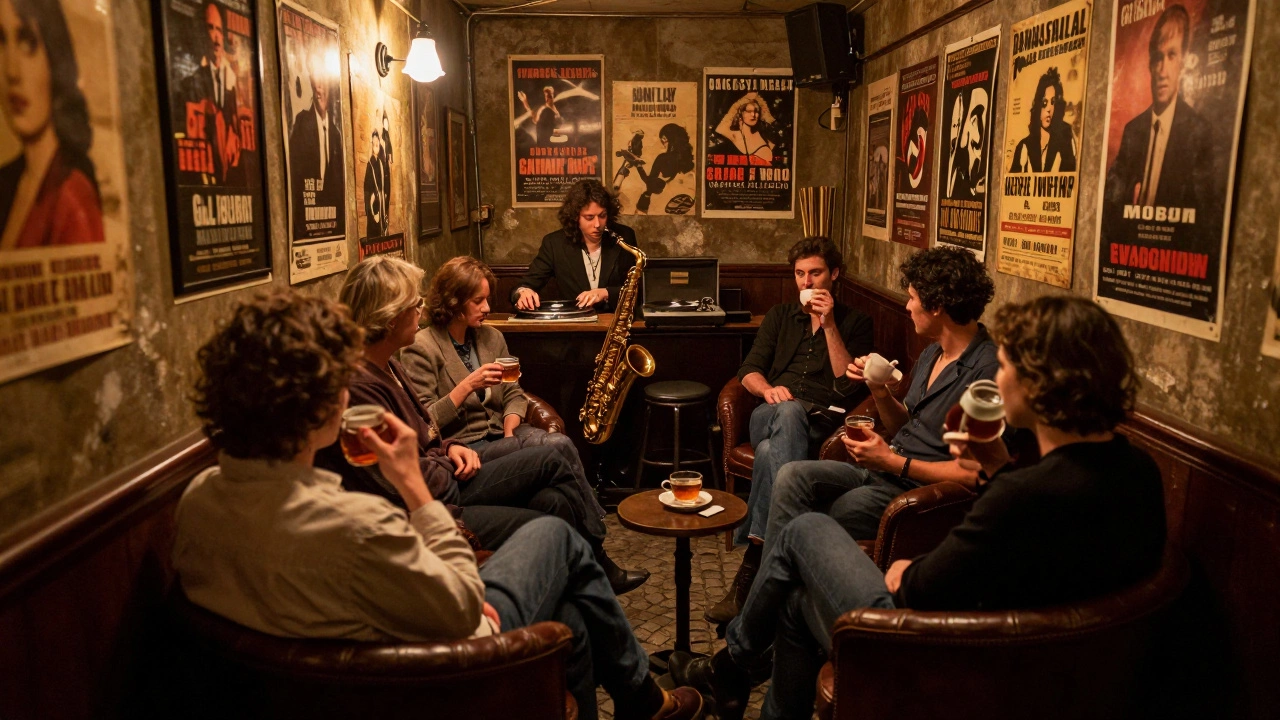
And in London’s underground clubs? The DJs aren’t playing top 40 hits. They’re spinning unreleased tracks from Eastern European producers - the kind you’d only hear if you knew the right person. That’s where the culture is moving. Not to the mainstream, but to the margins. And yes, if you’re curious about the people behind those scenes, you might hear whispers of euro girl escort london - not as a service, but as a symptom of a city where boundaries between personal connection and commerce are blurring.
Work isn’t a place anymore - it’s a rhythm
Remote work didn’t die. It evolved. The new norm? Asynchronous flexibility. Companies now measure output, not hours. Employees in Sydney can hand off tasks to someone in Warsaw, who finishes them before their morning coffee. Teams use voice notes instead of Zoom calls. One Melbourne-based startup tracks productivity by how often people take walks - not how many emails they send.
And the rise of digital nomad visas? They’re no longer just for freelancers. Teachers, nurses, and even accountants are using them. Portugal now lets you live there for a year if you earn €800/month from abroad. Georgia? €500. The world is opening up - not just for tourists, but for people who want to live differently.
What’s really new? The quiet rebellion
The biggest change isn’t in apps or gadgets. It’s in mindset. People are tired of being told what they should want. They’re choosing slowness over speed. Silence over noise. Depth over visibility.
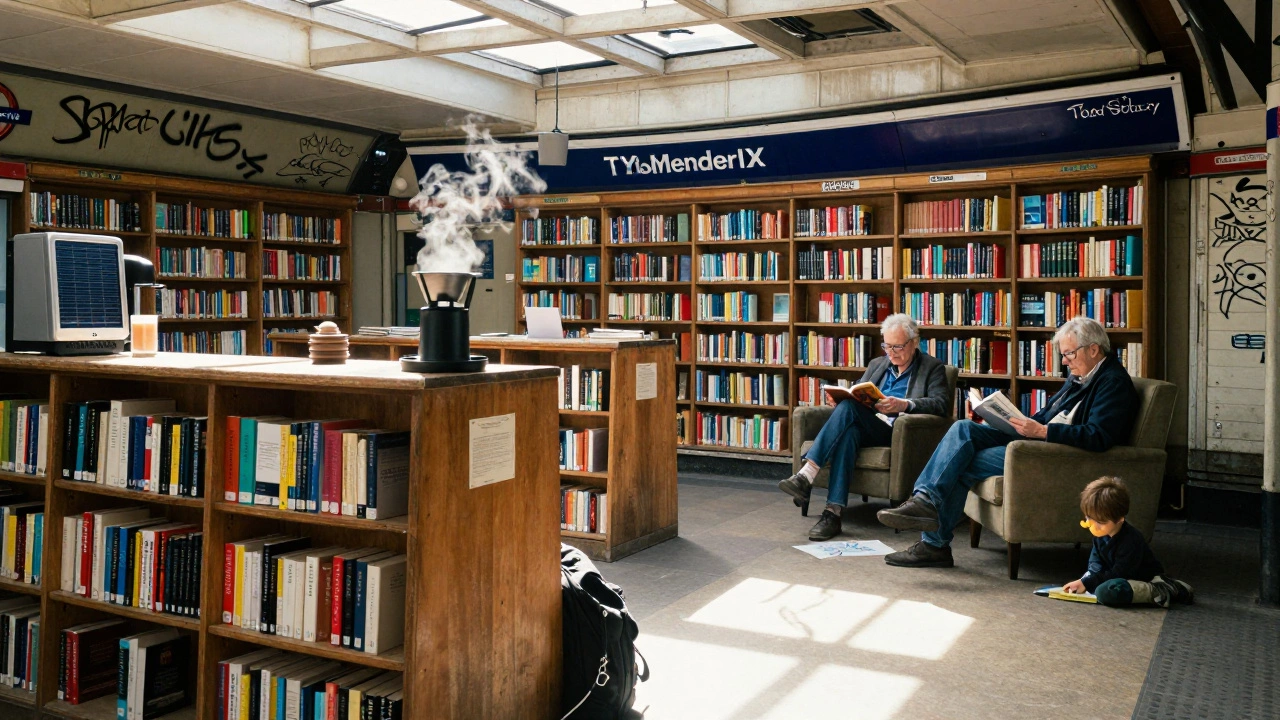
In Berlin, a group of artists turned an abandoned subway station into a free library - no membership, no rules. Just books, chairs, and a coffee machine that runs on solar power. In Tokyo, a café charges you by the minute you sit - but only if you’re scrolling on your phone. Sit quietly? It’s free.
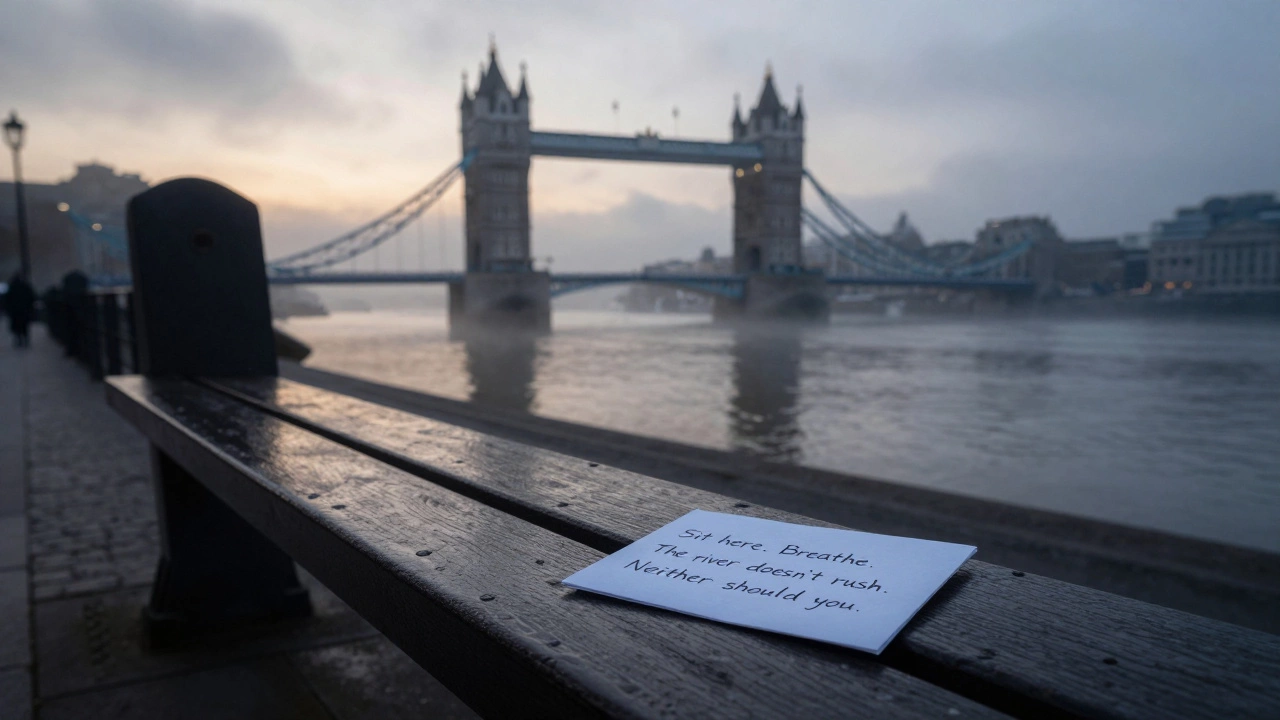
And in London? The city’s most popular new attraction isn’t a museum or a monument. It’s a single bench near Tower Bridge. No sign. No plaque. Just a note someone left: “Sit here. Breathe. The river doesn’t rush. Neither should you.”
That’s what’s new. Not the flashy stuff. The quiet stuff. The stuff you only notice when you stop looking for it.
And if you’re curious about the people who move through these spaces - the ones who make the hidden corners feel alive - you might come across euro escort girls london. Not because it’s the story you expected, but because it’s part of the story you didn’t know you were asking.